The Mawlid is not a day on a calendar, but a state of the heart. It is the rhythmic pulse of Salawat and the intentional revival of the Sunnah in every breath, every movement, and every act of care. We invite you to explore the Living Sunnah, where the healing of the body begins with love for the one sent as a Mercy to the Worlds ﷺ.

THE TRAVELING MAWLID CARAVAN
Gatherings of salawat, nasheed, and love for Rasulullah ﷺ, traveling across New England and beyond, so that the praises of the Prophet ﷺ can be celebrated far and wide.
LOVE THAT FEEDS
Every gathering is also an act of giving. Proceeds from our Mawlid gatherings help feed families through food banks in our local communities, so that love for the Prophet ﷺ becomes nourishment for our neighbors.
Mawlid ad-Daybai
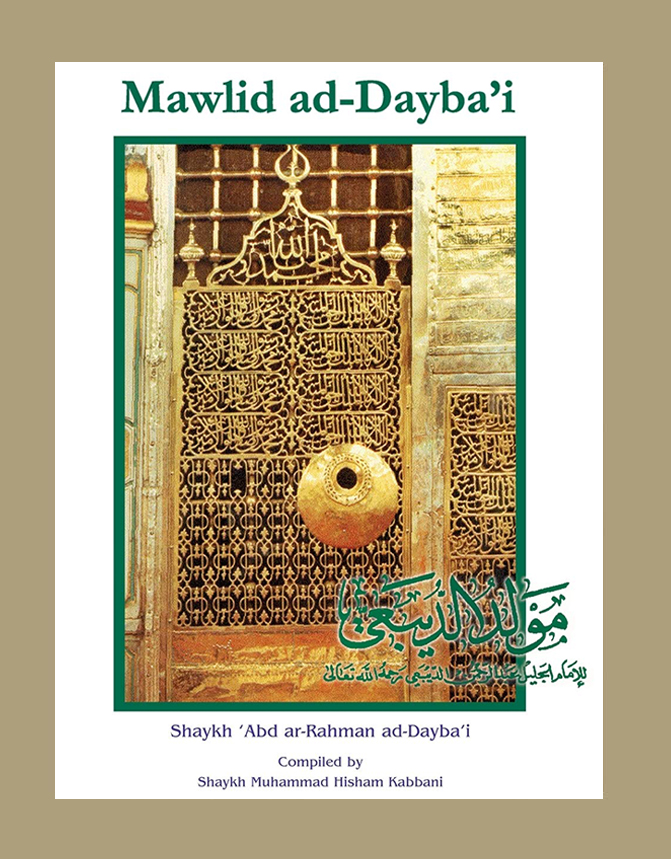
Author: Imam Abd al-Rahman bin Ali al-Dayba’i (1461–1537 CE), a premier scholar of prophetic traditions (Hadith master) from Zabid, Yemen.
Historical Context: Written during the golden era of Yemeni Hadith preservation, this work was composed to provide a historically accurate, rhythmic, and accessible biographical reading that laypeople and scholars could read together without getting bogged down in dense theological texts.
The Core Theme: A rhythmic blend of poetic prose (Saj’) and verse that chronicles the lineage, miraculous pregnancy of Aminah, radiant birth, and sublime physical characteristics (Shama’il) of the Messenger ﷺ. It concludes with specific prayers for communal protection and peace.
Dala'il al-Khayrat
Author: Muhammad ibn Sulayman al-Jazuli (d. 1465 CE), a revered Moroccan Sufi scholar, jurist, and descendant of the Prophet Muhammad ﷺ who belonged to the Jazulah tribe of southern Morocco.
Historical Context: Imam al-Jazuli lived in 15th-century Morocco, during a time of great hardship and division. After spending years in rigorous religious study and a long period of solitary spiritual retreat, he emerged to find hearts in need of healing and unity. He compiled Dala’il al-Khayrat as a structured manual of devotion to center the community’s spiritual life around the persona of the Prophet ﷺ.
The Core Theme: It is globally celebrated as the premier manual of salawat (sending blessings and prayers upon the Prophet ﷺ). Structured into distinct sections meant to be recited daily over the course of a week, it serves as a devotional roadmap designed to foster deep spiritual love, purify the heart, and secure the intercession of the Prophet ﷺ.

Qasida al-Burda
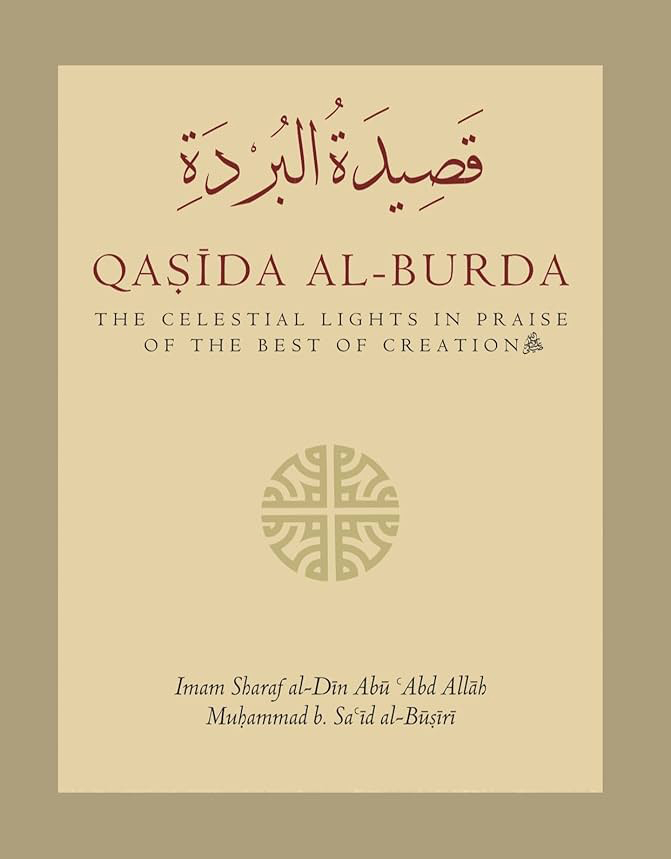
Author: Sharaf al-Din Abu Abdallah Muhammad al-Busiri (1211–1294 CE), a master poet born in Egypt who studied under the famous Sufi sage Imam Abul Abbas al-Mursi.
Historical Context: Imam al-Busiri was struck by a severe stroke that left him half-paralyzed. Desperate for relief, he penned this 160-verse poem in 10 distinct chapters as a plea for healing. Upon finishing his composition, he saw the Prophet Muhammad ﷺ in a dream, who threw his own cloak (burdah) over the poet’s shoulders. When al-Busiri woke up, his paralysis was completely cured.
The Core Theme: It is globally renowned as the ultimate panegyric (poem of high praise). It functions as a roadmap of spiritual psychology—moving from the pain of human attachments to self-discipline, historical biography, and ultimate reliance on divine mercy.
Qasida al-Hamziyyah
Author: Also composed by Imam al-Busiri, utilizing a highly complex poetic rhyme scheme where every single line finishes with the Arabic letter Hamza.
Historical Context: Written after the global success of the Burdah, the Hamziyya was designed to be a massive, encyclopedic epic that details the entirety of the prophetic biography, miracles, and cosmic status in a single long-form poem.
The Core Theme: It celebrates the beautiful character of the Prophet ﷺ: his mercy, his care for the poor, his kindness to animals, and his justice toward all people.